 Laser therapy has revolutionized modern dental care by offering patients a more comfortable, precise alternative to traditional dental procedures. This advanced technology uses concentrated light beams to treat various oral health conditions with remarkable accuracy. Whether you’re dealing with gum disease, tooth sensitivity, or simply want a more efficient cleaning, laser dentistry provides solutions that reduce discomfort and promote faster healing.
At Birch Family Dental, we integrate advanced laser technology into our comprehensive approach to dental hygiene, allowing our dental professionals to deliver treatment with unmatched precision and care. Understanding how laser therapy works and its applications can help you make informed decisions about your oral health.
What Makes Laser Technology Effective in Dental Care?
Dental lasers work by emitting specific laser wavelengths that interact with oral tissues in controlled ways. These diode lasers and erbium lasers can target both hard and soft tissue with precision that traditional instruments cannot match. The laser energy penetrates diseased tissue while leaving healthy tissue intact, creating a treatment experience that’s both effective and minimally invasive.
Low-level laser therapy has become particularly valuable in dental hygiene because it offers bacterial reduction without the need for aggressive mechanical removal. The concentrated light beam eliminates harmful bacteria while simultaneously stimulating tissue regeneration and wound healing. This dual action makes laser treatment an excellent choice for patients seeking comfortable, efficient care.
How Do Lasers Enhance Dental Cleanings and Hygiene Procedures?
Traditional dental ultrasonic scaling combined with laser bacterial reduction represents a significant advancement in preventive care. During routine cleanings, dental hygienists can use proper laser technique to penetrate gum pockets and eliminate bacteria that manual scaling might miss. The laser energy breaks down plaque deposits and biofilm while the heat cauterizes treated areas, reducing bleeding and discomfort.
This approach to dental hygiene offers several advantages over conventional methods. Patients experience less sensitivity during treatment because lasers don’t create the vibration and pressure associated with traditional scaling instruments. The treatment also takes less time while achieving thorough results, and the risk of infection decreases because the laser sterilizes as it treats.
Can Laser Assisted Periodontal Therapy Treat Gum Disease?
Periodontal therapy has been transformed by adjunctive laser technology. When treating periodontal disease, dental professionals use diode laser training to target infected gum tissue and bacteria colonizing root surfaces. This nonsurgical periodontal therapy approach removes diseased tissue while stimulating the regeneration of healthy connective tissue and bone.
The laser decontamination process reaches areas that traditional scaling and root planing alone cannot fully address. By eliminating bacteria deep within periodontal pockets, laser-assisted periodontal therapy helps prevent the progression of gum disease and can often save teeth that might otherwise require extraction. Many patients who undergo this non surgical periodontal therapy see significant improvements in gum health with minimal discomfort and rapid recovery.
What Other Dental Procedures Benefit from Laser Treatment?
Beyond routine cleanings and periodontal procedures, dental lasers serve multiple purposes in comprehensive oral care. Hard tissue lasers can prepare teeth for fillings, detect cavities in their earliest stages, and even perform certain aspects of root canal therapy. These applications demonstrate the versatility of laser dentistry across restorative treatments.
Soft tissue procedures also benefit from laser technology. Lasers can reshape gums, remove excess tissue, perform frenectomies, and assist with biopsies. When used for teeth whitening, lasers activate bleaching agents more effectively than light alone. The precision of diode lasers makes them ideal for treating cold sores, removing lesions, and addressing tooth sensitivity by sealing exposed dentin tubules.
Is Laser Surgery Safe for Dental Patients?
Safety remains a top priority when dental professionals use laser energy to treat patients. Modern dental lasers have been thoroughly tested and proven effective through decades of clinical use. When proper protocols are followed, including the use of appropriate personal protective equipment and proper laser technique, risks are minimal.
Potential complications such as tissue damage or burns are extremely rare when lasers are operated by trained dental hygienists and dentists. The precision of laser wavelengths allows for controlled treatment that targets only diseased tissue. Most patients experience fewer complications with laser procedures compared to traditional methods because lasers naturally sterilize treatment areas and cause less trauma to surrounding tissues.
How Does Laser Therapy Compare to Traditional Dental Methods?
The advantages of laser dentistry become clear when comparing outcomes to conventional approaches. Laser treatment typically causes less bleeding because the light beam cauterizes blood vessels as it works. Patients report reduced post-treatment discomfort and faster wound healing, often returning to normal activities within days rather than weeks.
Other dental procedures that once required multiple appointments can sometimes be completed in a single visit using laser technology. The precision and efficiency of lasers mean less chair time for patients and more predictable results. While traditional methods remain effective for many applications, lasers offer enhanced comfort and outcomes for an increasing number of treatments.
What Should Patients Expect During Laser Dental Treatments?
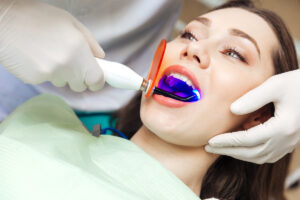
During laser-assisted dental procedures, you’ll notice several differences from traditional treatment. The sound of a laser is much quieter than a dental drill, and you won’t feel the vibration that many patients find unsettling. Your dental professional will provide protective eyewear to shield your eyes from the laser light.
Most patients report minimal to no discomfort during laser treatments, and local anesthesia is often unnecessary for procedures involving only soft tissue. The treatment area may feel slightly warm, but the sensation is generally well-tolerated. After treatment, you’ll receive specific care instructions, though recovery from laser procedures typically requires less intervention than traditional methods.
Discover Advanced Dental Care with Laser Technology
Modern laser therapy represents a significant leap forward in dental hygiene and comprehensive oral care. By combining precision, comfort, and effectiveness, this technology allows dental professionals to address everything from routine cleanings to complex periodontal treatments with improved patient outcomes.
Ready to experience the benefits of laser dentistry? Contact us at Birch Family Dental by calling 307-269-5662 to schedule your appointment. Our team of experienced dental professionals will answer your questions and help you understand how laser therapy can enhance your oral health journey.